

Choosing the Best Raw Hair for Wig Making

When it comes to creating high-quality wigs, the foundation is always the hair itself. Choosing the right raw hair is crucial for producing wigs that look natural, last long, and satisfy clients or customers. I have spent years working with different types of raw hair, and I want to share what I’ve learned about selecting the best raw hair for wig making. This guide will help you make informed decisions whether you are a hair professional, a salon owner, a wig maker, or an individual buyer.
Understanding Raw Hair for Wig Making
Raw hair refers to hair that has never been chemically processed or altered. It is collected directly from donors and retains its natural cuticle alignment. This means the hair strands are intact from root to tip, which helps prevent tangling and matting. When you choose raw hair for wig making, you are investing in quality that can be styled, dyed, and treated just like natural hair.
There are several factors to consider when selecting raw hair:
Source of the hair: Different regions produce hair with unique textures and qualities.
Cuticle alignment: Ensures the hair remains smooth and tangle-free.
Length and thickness: Longer hair is often more expensive but offers more styling options.
Color: Natural colors are easier to dye and customize.
Ethical sourcing: Hair should be collected with respect for donors and fair trade practices.
By focusing on these factors, you can ensure the wigs you create will meet high standards and satisfy your clients.

How to Choose Raw Hair for Wig Making
Choosing raw hair for wig making requires attention to detail and a clear understanding of your needs. Here are some practical tips to guide you:
Check the cuticle direction
Hair with aligned cuticles lasts longer and is less prone to tangling. Ask your supplier if the hair is “remy” or “raw” to confirm this.
Inspect the hair texture
Depending on your target market or client preferences, you may want straight, wavy, or curly hair. Make sure the texture is consistent throughout the bundle.
Consider the hair length
Longer hair offers more styling versatility but can be more expensive. Decide what length suits your wig designs best.
Look for natural color
Natural hair colors like black, dark brown, or dark blonde are easier to dye and customize. Avoid hair that has been bleached or chemically treated.
Ask about sourcing and ethics
Ethical sourcing is important. Hair should be collected with the donor’s consent and without exploitation.
Request samples if possible
Testing a small sample before buying in bulk can save you from costly mistakes.
Evaluate supplier reputation
Work with suppliers known for transparency and quality assurance.
By following these steps, you can confidently select raw hair that will enhance your wig-making projects.
Which is better, Brazilian or Peruvian hair?
Brazilian and Peruvian hair are two popular choices in the wig-making industry. Both have their unique qualities, and understanding these can help you decide which is better for your needs.
Brazilian Hair
Brazilian hair is known for its thickness and durability. It tends to be soft, shiny, and has a natural bounce. The strands are usually thicker than other types, making it ideal for clients who want voluminous wigs. Brazilian hair blends well with many hair types and holds curls nicely.
Peruvian Hair
Peruvian hair is lighter and silkier than Brazilian hair. It has a natural wave and a soft texture that feels luxurious. Peruvian hair is often preferred for its lightweight feel and natural shine. It is also versatile and can be styled straight or curly.
Which one to choose?
If you want a wig with volume and thickness, Brazilian hair is a great option. For a softer, lighter wig with a natural wave, Peruvian hair works well. Both types are excellent choices, but your decision should depend on the style and feel you want to achieve.
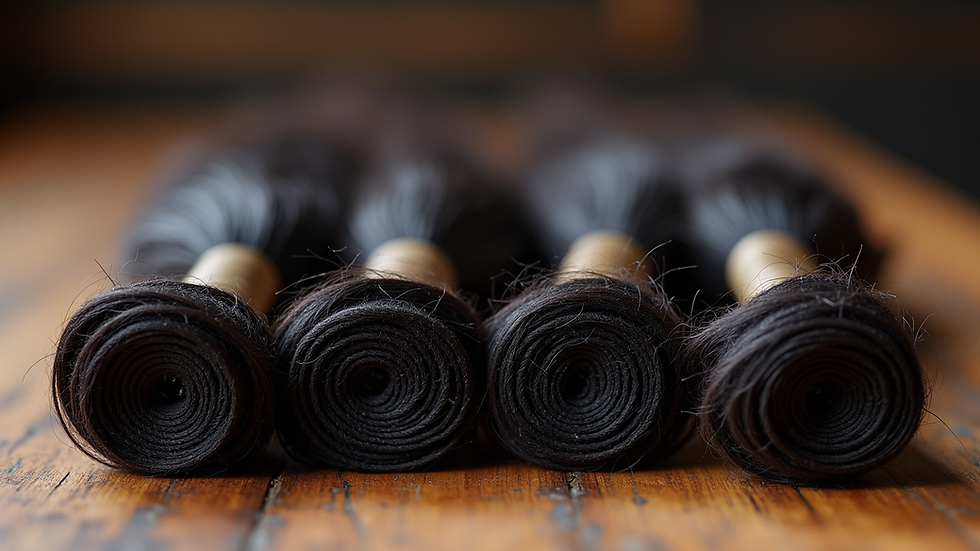
Caring for Raw Hair to Maintain Quality
Once you have selected the best raw hair for your wigs, proper care is essential to maintain its quality. Here are some care tips:
Wash gently
Use sulfate-free shampoos and conditioners. Avoid harsh chemicals that can damage the hair.
Detangle carefully
Use a wide-tooth comb or your fingers to detangle hair, starting from the ends and working your way up.
Avoid excessive heat
Limit the use of flat irons and curling irons. When you do use heat, apply a heat protectant.
Store properly
Keep wigs on stands or in silk bags to prevent tangling and dust accumulation.
Moisturize regularly
Use light oils or leave-in conditioners to keep the hair soft and shiny.
Proper care extends the life of your wigs and keeps them looking fresh and natural.
Why Ethical Sourcing Matters in Raw Hair Selection
Ethical sourcing is a key consideration when choosing raw hair. Hair professionals and businesses have a responsibility to ensure that the hair they use is collected fairly and respectfully. Here’s why it matters:
Respect for donors
Donors should give hair voluntarily and be fairly compensated.
Quality assurance
Ethically sourced hair is often better maintained and less likely to be mixed with synthetic or low-quality hair.
Sustainability
Ethical practices support sustainable supply chains and reduce exploitation.
Brand reputation
Using ethically sourced hair builds trust with clients and customers.
When you choose suppliers who prioritize ethical sourcing, you contribute to a positive industry standard and ensure your wigs are made from authentic, high-quality hair.
Final Thoughts on Selecting Raw Hair for Wigs
Choosing the right raw hair is the foundation of creating beautiful, durable wigs. Remember to focus on cuticle alignment, texture, length, color, and ethical sourcing. Whether you prefer Brazilian or Peruvian hair, understanding their differences will help you meet your clients’ needs better.
For those looking to invest in the best raw hair for wig making, always prioritize quality and transparency. This approach will help you build a strong reputation and deliver exceptional products.
With the right raw hair and proper care, your wigs will not only look stunning but also stand the test of time. Keep these tips in mind, and you’ll be well on your way to mastering the art of wig making.


Comments